|
ISEEN Catalyst Institute
Friday, October 9 - Tuesday, October 13, 2026
Caldera Arts Center | Sisters, Oregon
"Catalyst provides the essential inspiration and ongoing support that school teams need to create real education transformation. The schools that Catalyst supports are leading the way towards a more meaningful education for the 21st century. They are creating models that we can all learn from."
- Tony Wagner, Author and Researcher
Harvard Graduate School of Education
~catalyst
noun: a person or thing that provokes or speeds significant change or action
What is the Catalyst Institute?
The Catalyst Institute is an inspiring 5-day retreat where you gain the practical tools to advance experiential pedagogy from the periphery to the core of your school with others who share a passion for bringing immersive and authentic learning to the forefront of education.
In a breathtaking natural environment, you will immerse yourself in a five-day retreat with other passionate school leaders. Led by thought leaders and practitioners, you will:
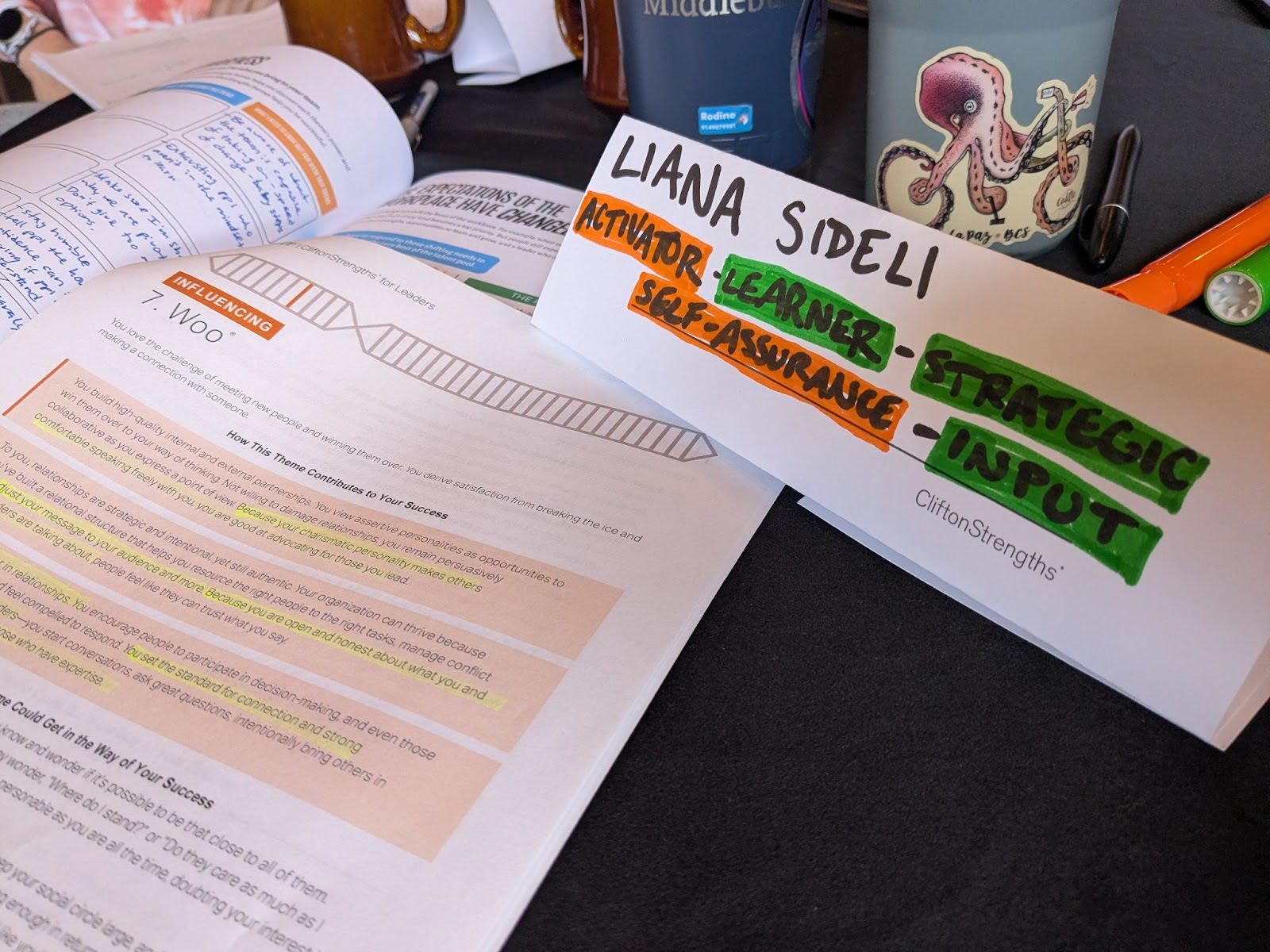
- Discover your top strengths through a self-assessment and guided workshop, including what they mean, how they apply to you, your team, and your institution in the context of building sustainable change.
- Cultivate resilient, trust-rich teams that can champion bold ideas and sustain long-term transformation.
- Investigate concrete, evidence-based frameworks and how to implement and integrate them to strengthen experiential education at your institution.
- Develop an iterative and individualized action plan that is rooted in your school’s vision and mission.
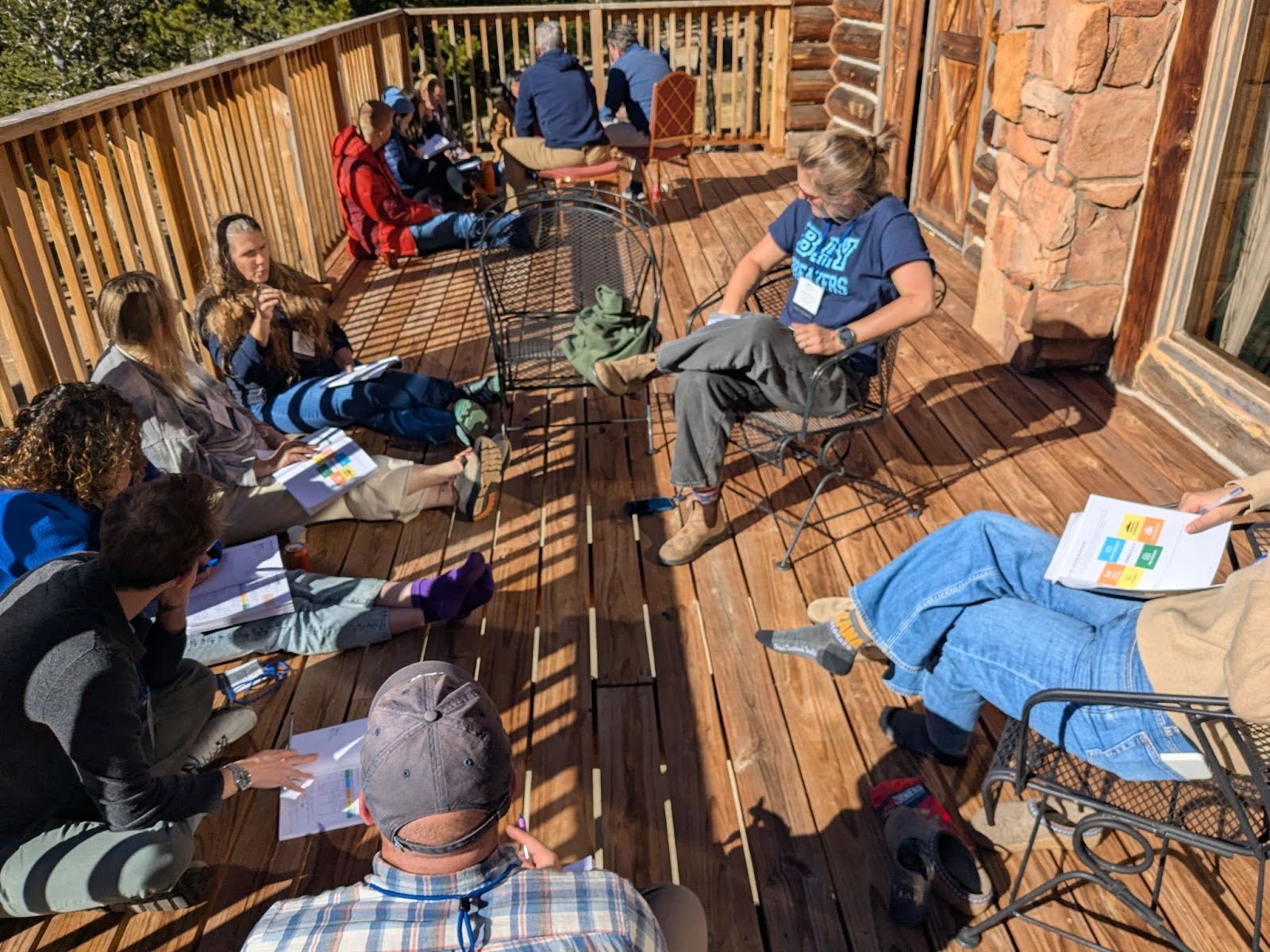
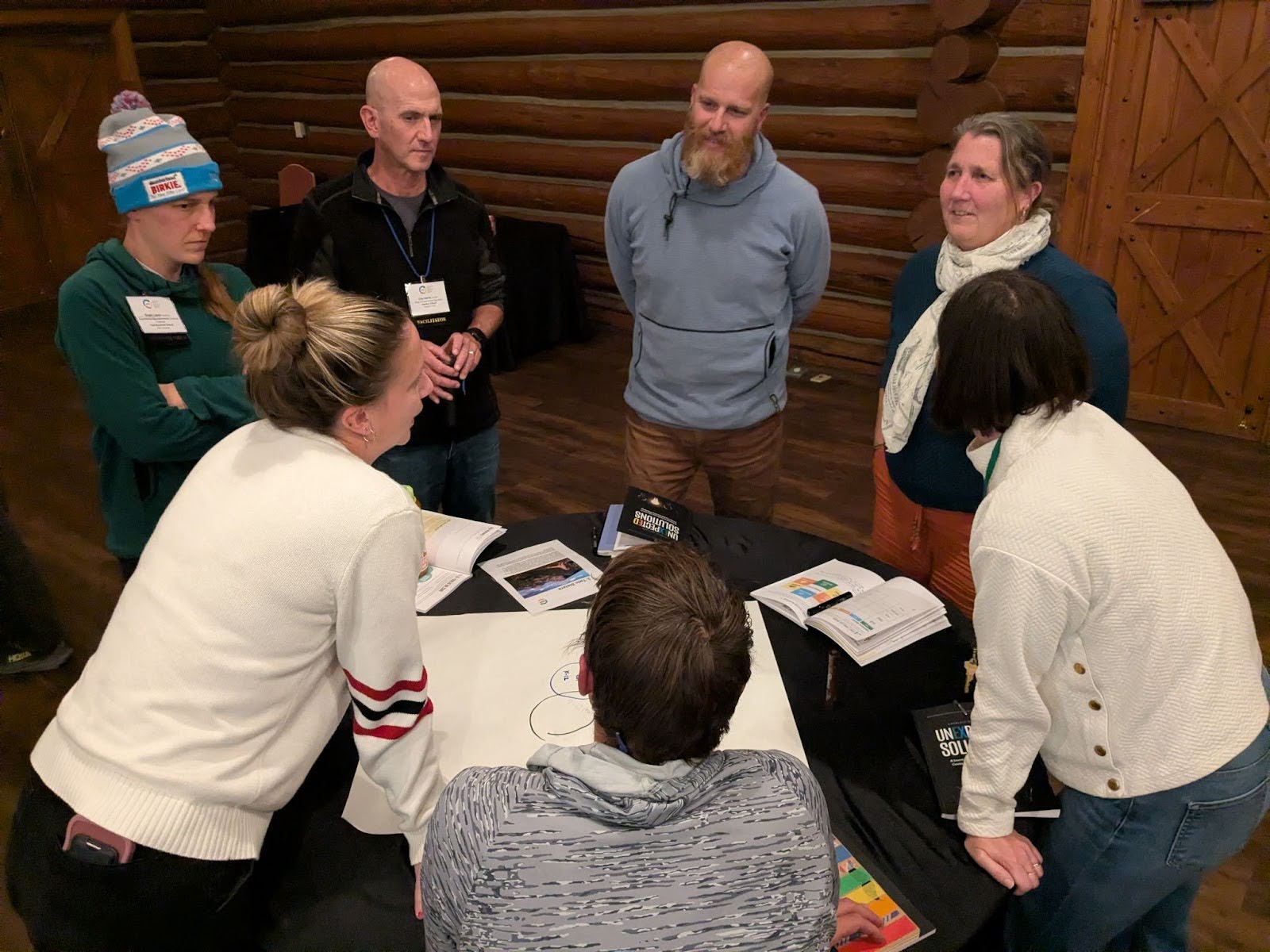
Learning is deepened throughout the Institute through a number of experiential learning methods, including:
- Asset mapping
- Case studies
- Peer feedback protocols
- Reflective journaling
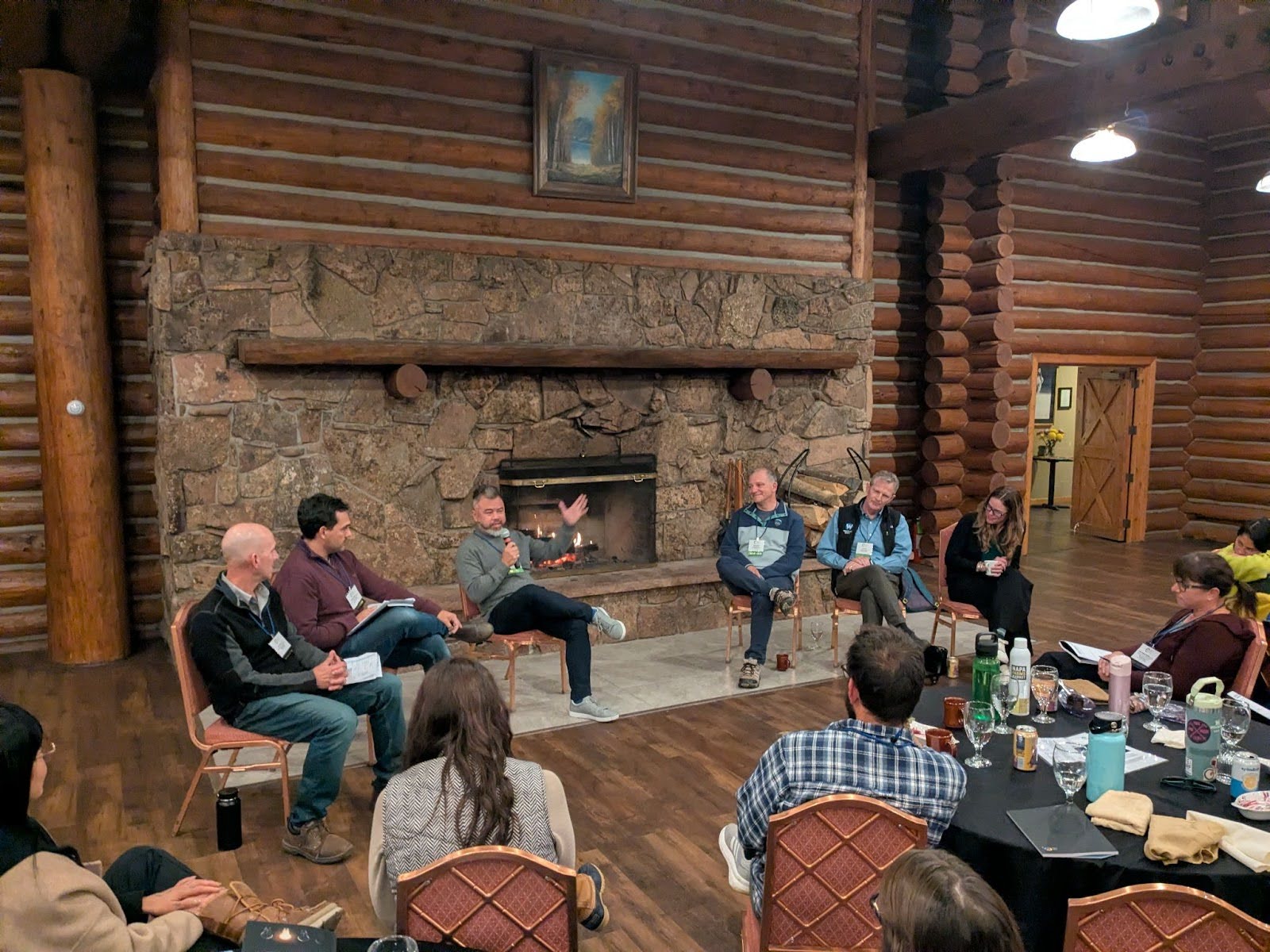
- Fireside chats with fellow inspiring educators
Catalytic transformation does not end after the retreat. Because change requires accountability, support, and iteration, we include a rigorous 6-month coaching program, included with your registration. This 6-month coaching cohort is a set of structured follow-ups to support continued implementation and accountability through:
- One-on-one coaching
- Group coaching sessions
- School team coaching sessions
What Does a Day at the Institute Look Like?
The five-day institute will include a range of interactive, experiential workshops, some of which will be shared by all participants, and others that will allow for variety and choice. No one day at the Institute is the same, but every day shares some common themes.
Each day, you will have protected free time to reflect, synthesize, and build community with other attendees. This allows the days to feel invigorating but not overscheduled, and for you to have time to care for mind and body.
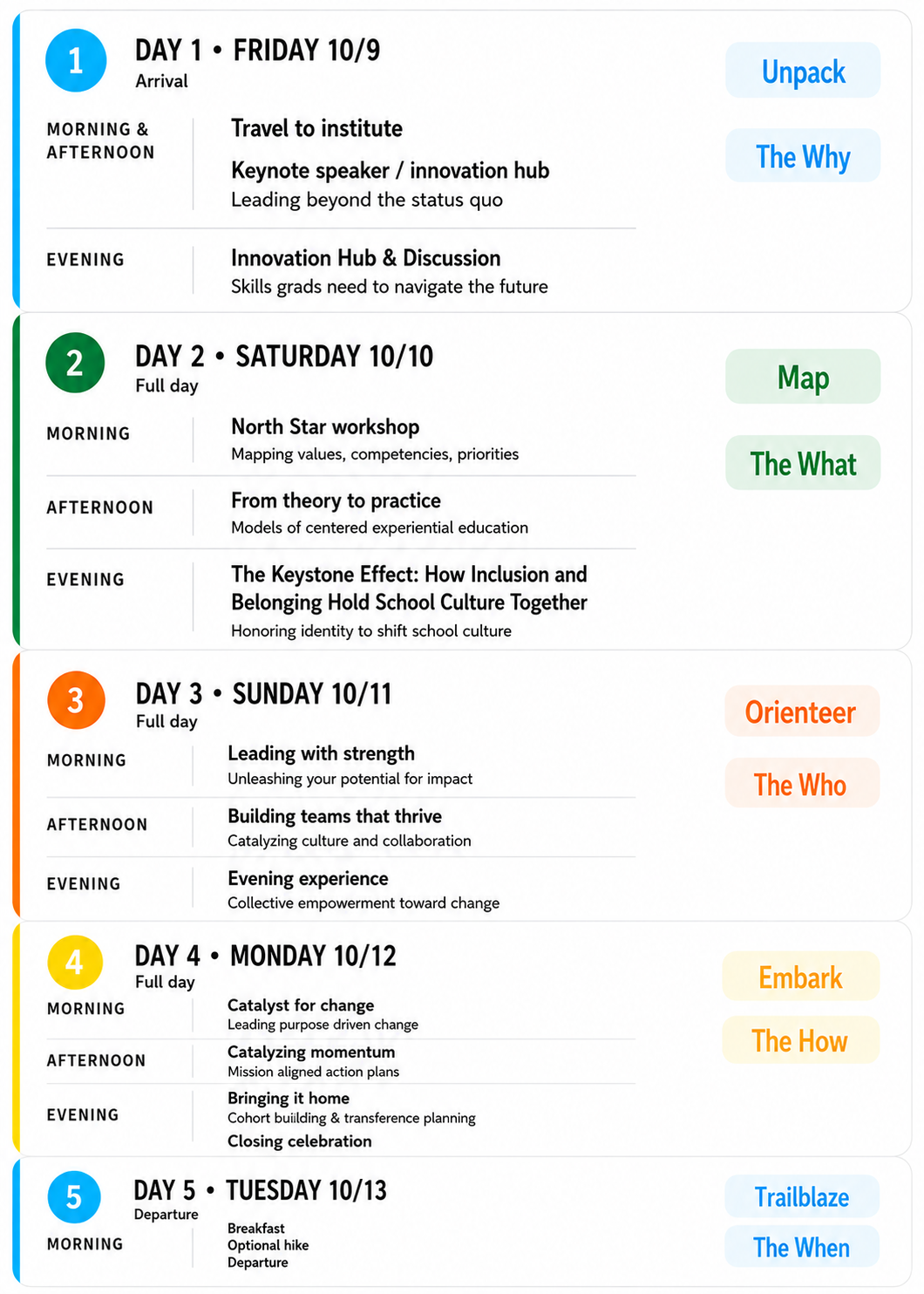
Workshops & Schedule-at-a-Glance
Each session and activity will be led by field-leading practitioners, including Derek Kanerek of Catlin Gabel School and Mason Hults of Gallup, and expert facilitators from prolific independent schools.
-
Innovation Hub & Discussion (Led by Matthias Kurwig, Co-founder and CEO of Enervee): This interactive workshop with entrepreneurs and changemakers explores the dynamic landscapes of work and education. Participants will have the opportunity to work with leaders in sustainability and technology with current perspectives that illuminate the types of skills graduates really need to navigate this moment when the capacities of A.I. offer enormous challenges and opportunities.
-
North Star Workshop: This workshop guides school leaders through a backwards design approach to align their programs with a clear and compelling Portrait of a Learner rooted in their school's guiding principles, their mission, vision, and values.
-
From Theory to Practice: Models of Centered Experiential Education: This workshop offers participants a practical, detail-rich exploration of how to move experiential education to the core of school programs through five key best practices.
-
Leading with Strengths: Unleashing Your Potential for Impact: In this workshop, harness your unique leadership strengths to drive purposeful innovation and spark institutional momentum with Mason Hults of Gallup.
-
Building Teams That Thrive: Catalyzing Culture and Collaboration with Derek Kanerek of Catlin Gabel School: This workshop empowers participants with strategies to build high-functioning, change-making teams by cultivating a strong, intentional organizational culture rooted in experiential education
-
Catalyst for Change: Leading Purpose-Driven Change: Using the metaphor of chemistry, participants will consider what conditions make transformation possible, what needs to be released or introduced to spark growth, and how to manage the pace of change.
-
Catalyzing Momentum: Crafting Mission-Aligned Action Plans: This culminating workshop guides participants through the creation of a personalized action plan using insights gathered throughout the institute, from their call to innovation and signals of integrated experiential education to team culture and change management strategies.
-
Carrying It Forward: From Insight to Action Through Cohort Commitment: Transformative learning only matters if it travels home with us. This closing session invites participants to consolidate their insights into a cohesive transference plan they can bring back to their schools. Each leader will present their action plan within their cohort using a structured tuning protocol, ensuring they receive thoughtful feedback, support, and fresh perspectives.
-
The Keystone Effect: How Inclusion and Belonging Hold School Culture Together: Schools often experience inclusion and work in cycles; moments of urgency, bursts of energy, and long stretches of fatigue or uncertainty. This workshop invites participants to step back and view inclusion and belonging through a keystone lens: as a core, load-bearing element of a school’s ecosystem rather than a standalone initiative. Using experiential activities and real-world examples, participants will explore how it shapes relationships, resource flow, and belonging, and what happens to institutional culture when it is weakened or removed
What You’ll Take Away from the Institute:
- A personalized action plan: On the final day of Catalyst, we transition from learning to doing. Participants work individually and with their school colleagues to draft a personalized vision for institutional evolution.
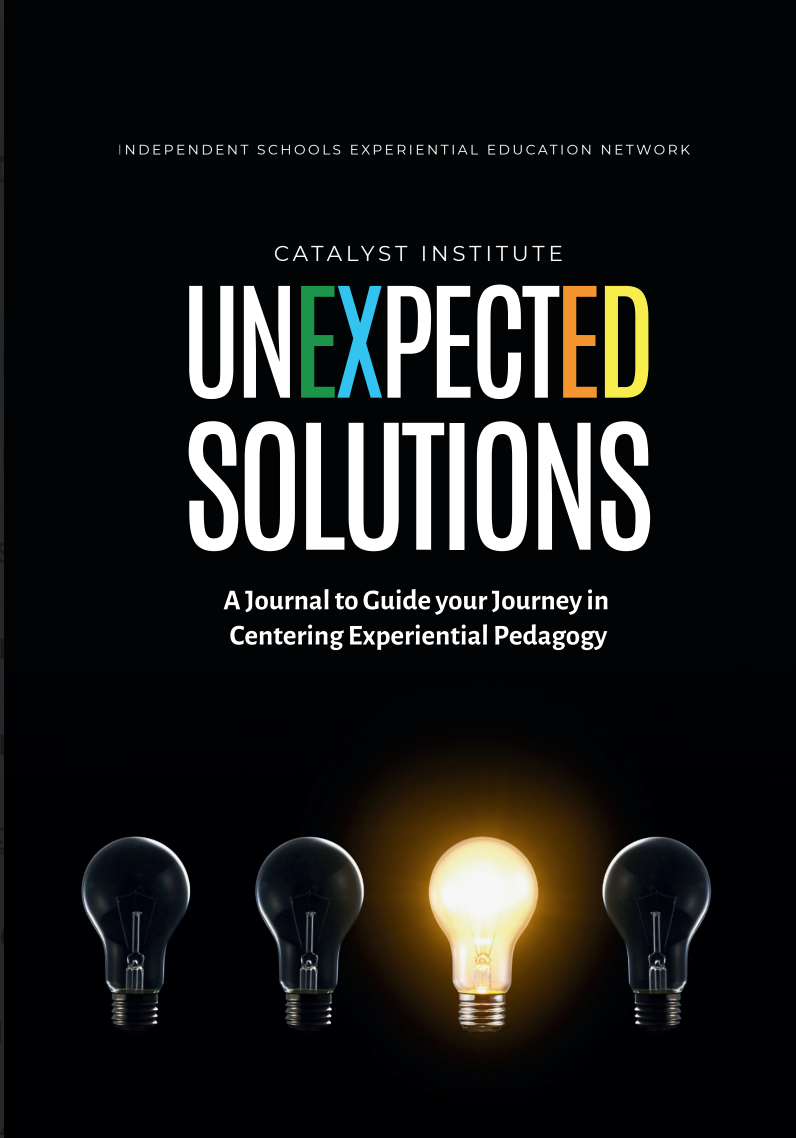
- Understanding of specific, inspiring models of integrated experiential education programming in each of the five threads of the Catalyst Institute: core academics + Ex Ed pedagogy, Ex Ed assessment, faculty empowerment and activation, Ex Ed and belonging practices, and community as classroom.
- Actionable and empowering leadership skills along with approaches to effective team management in facilitating and overseeing institutional transformation.
- A community of passionate peers: Cohorts are launched during the Institute and provide an anchoring, intimate, supportive sub-community in which participants will digest their learnings from the day. Cohort members are from different schools, creating a rich Professional Learning Community.
- Post-Institute Coaching: Six months of support and accountability through a coaching cohort, individual coaching, and school team coaching.
-
A restorative and inspiring opportunity to unplug from school life: and connect with a community of school leaders who share a commitment to programmatic innovation and evolution in the name of transformative, independent education.
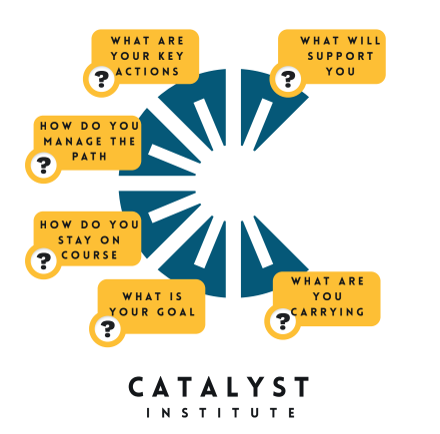
The Catalyst Institute, its people, and its projects are designed to support school leaders in shifting experiential learning from the periphery to the core of their educational institutions.
Included Post-Institute: Individual, School Group, and Cohort Coaching
Lasting institutional change requires a roadmap, support, and systems that ensure follow through. Catalyst is built on a high-touch, six-month extension model designed to turn theory into practice. Catalyst includes six months of extension work beyond October, structured as follows:
-
Cohort Coaching: Post-Institute, your cohorts meet for structured coaching and follow-up to apply new skills and learn from peers.
-
Virtual One-on-One Coaching: Catalyst alumni meet virtually with one of the Catalyst lead facilitators. These sessions focus on problem-solving, accountability, and celebrating the milestones of implementation.
-
School Team Coaching: The post-Institute School Team Coaching sessions support the team of changemakers and the nuances of driving change in their specific institutional context.
Who is the Catalyst Institute for?
The Catalyst Institute is designed for:
- Teams of school leaders already well-versed in experiential learning pedagogy and eager to take the next step in school evolution.
- Those who oversee large sections of school programming, such as:
-
Division Heads
-
Directors of experiential education
-
Academic deans
-
Deans of faculty
-
Directors of equity and belonging
-
Assistant heads of school
-
Heads of school
Many of our attendees come together as groups of three from the same organization. This is especially fruitful when creating action plans during the Institute, and for momentum-building and commitment to galvanizing action upon your return. Recognizing that catalytic change comes in many forms, ISEEN invites individual attendees to the Institute as well.
Meet the Institute’s Facilitators
The Catalyst Institute's Facilitators are passionate educational leaders who have been working alongside ISEEN staff to design and refine the Catalyst Institute. Together, they have connected with experts across several fields: core academics and experiential education pedagogy, assessment, faculty empowerment and activation, inclusion and belonging, and community as classroom. They bring their expertise to the development of engaging, practical workshop content.
 |
Dr. Barret Fabris is the Assistant Dean of Diversity and Inclusion at the School of Public Health at Brown University, where his work focuses on advancing diversity, equity, inclusion, and belonging through education, institutional change, and global engagement. He holds a BA in History and Secondary Education from Loyola University Maryland, a Master’s degree in Global and International Education with a concentration in Peace Education from Drexel University, and a PhD in International Peace Studies from Trinity College Dublin.
An educator for nearly two decades, Barret has worked across public, independent, parochial, and international school settings. His approach is grounded in experiential education and the belief that learning becomes most powerful when it is participatory, reflective, and rooted in lived experience. He is particularly interested in how education can move beyond transmission of knowledge to become a practice of inquiry, agency, and transformation—one that invites both students and educators to engage uncertainty, difference, and complexity with curiosity and care.
|
 |
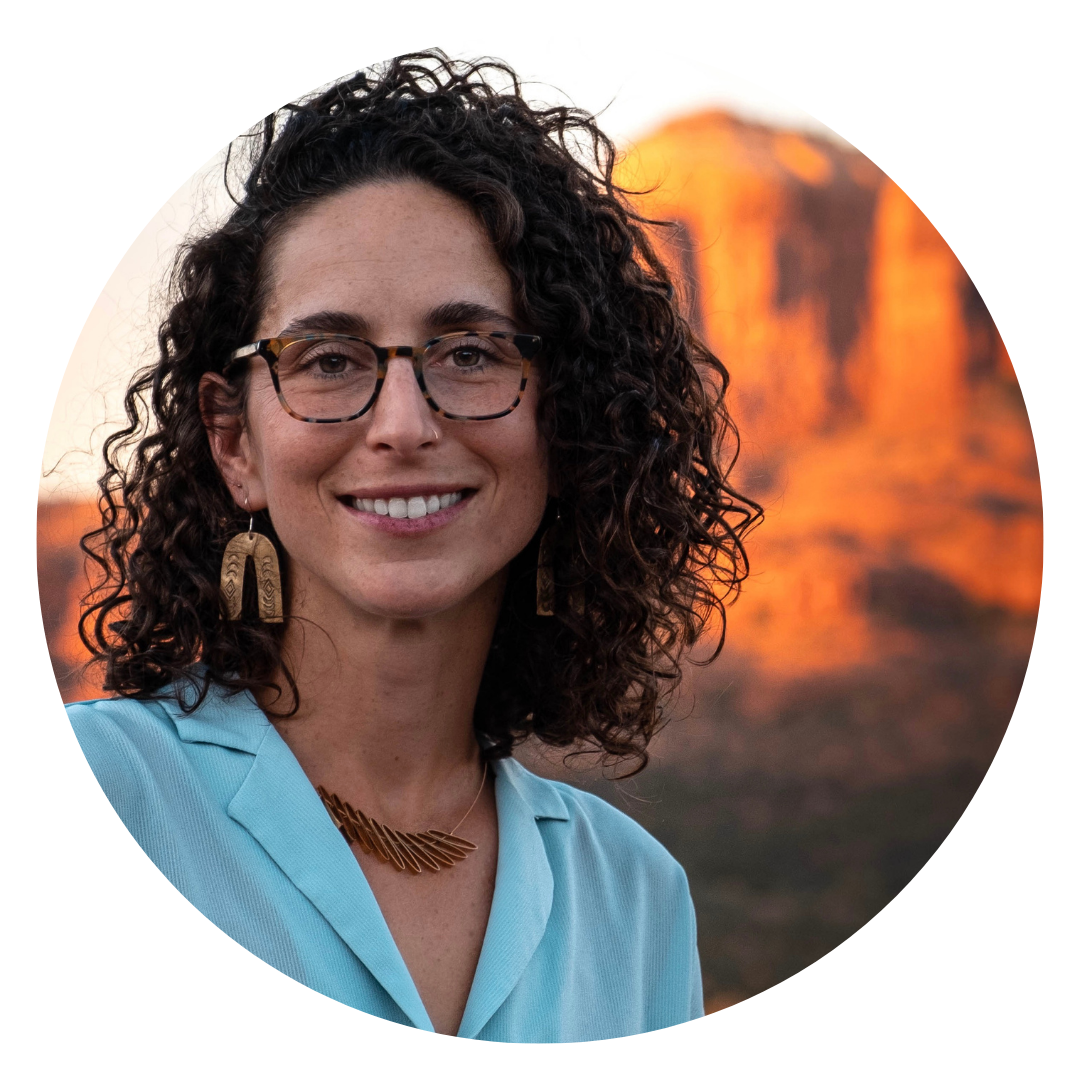
Cris Harris is a long time teacher and administrator at Hawken School where he builds and promotes learning opportunities that put the experience of the student at the center of education, including international expeditions, backcountry courses, hands-on wilderness medicine, and investigative journalism. As an instructional coach and consultant, he helps faculty reimagine teaching and learning as transformative opportunities that break out of traditional classroom constraints. A writer of poetry and non-fiction, his memoir I Have Not Loved You With My Whole Heart relates his experience growing up in a household marked by addiction, faith, and the AIDS crisis. He’s currently at work on a collection of essays about paradox in memory, science, and religion. His writing has been recognized with two Ohio Arts Council Individual Excellence Awards for non-fiction. |
|
|
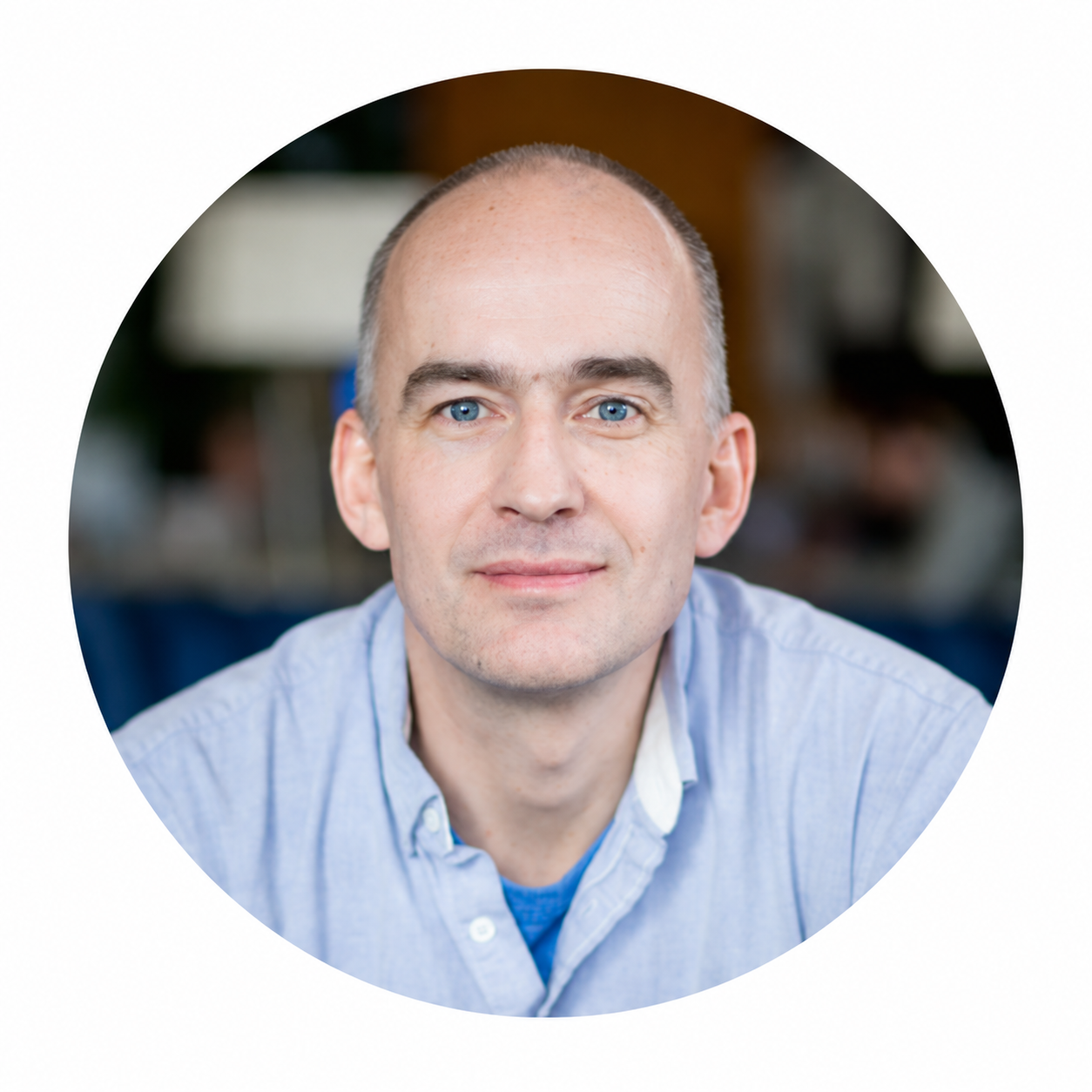
Lauren Kelley is the Upper School Head at Cascades Academy in Bend, Oregon and member of the ISEEN Board. In addition to serving as a classroom teacher for twenty years, Lauren has directed diverse experiential programs at a number of independent schools including global scholars, outdoor leadership, community engagement, international expeditions, and deep-dive immersives. She builds programs that disrupt traditional education models and thereby empower teachers and students alike to rediscover themselves and their world, cultivating purpose and impact. She holds a BA in Religion and Philosophy from Vassar College and an MFA in Creative Nonfiction Writing from Goucher College.
Matthias Kurwig is the co-founder and CEO of Enervee, a clean-tech company whose choice engines help millions of utility customers buy more efficient appliances and vehicles.
He trained in media design and print technology, a trade that no longer exists in the form he learned it, and started his first company at twenty-one. In 1996 he founded Planetactive, which became one of Europe's leading full-service digital agencies in a discipline that hadn't existed when he was a student. He sold it to WPP in 2006 and went on to serve as worldwide COO of Neo@Ogilvy, running operations across more than thirty offices and seven hundred people as digital took apart and reassembled an entire white-collar profession.
Originally from Germany, he lives in Bend, Oregon, serves on the board of trustees at Cascades Academy, and has two daughters who are students there.
|
Institute Location
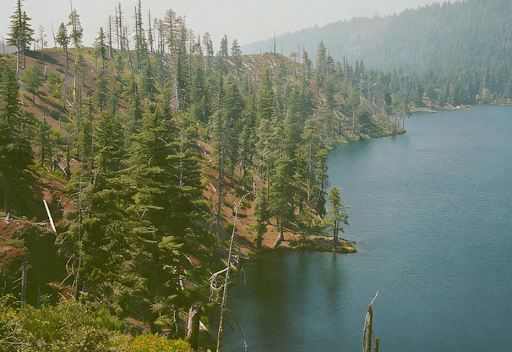
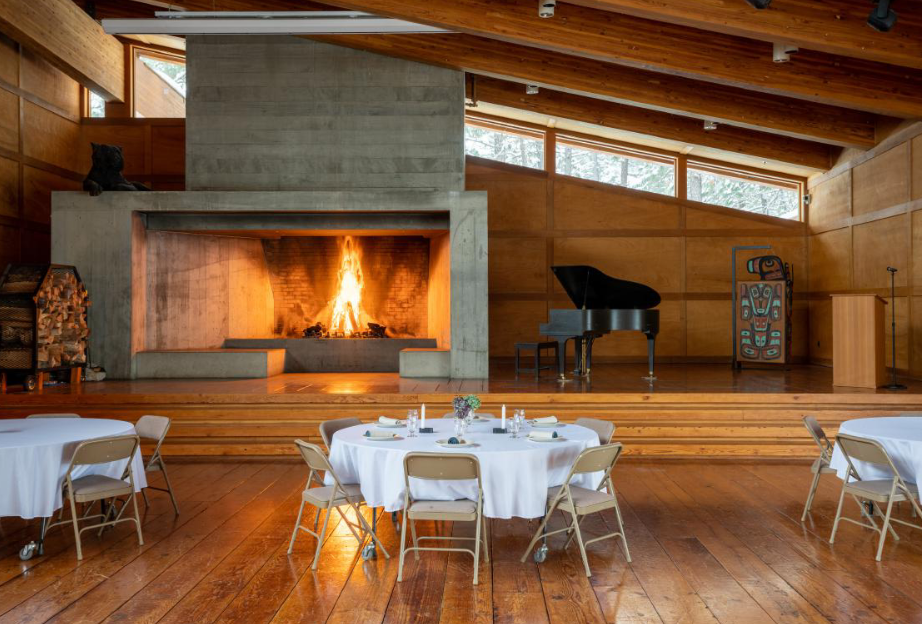
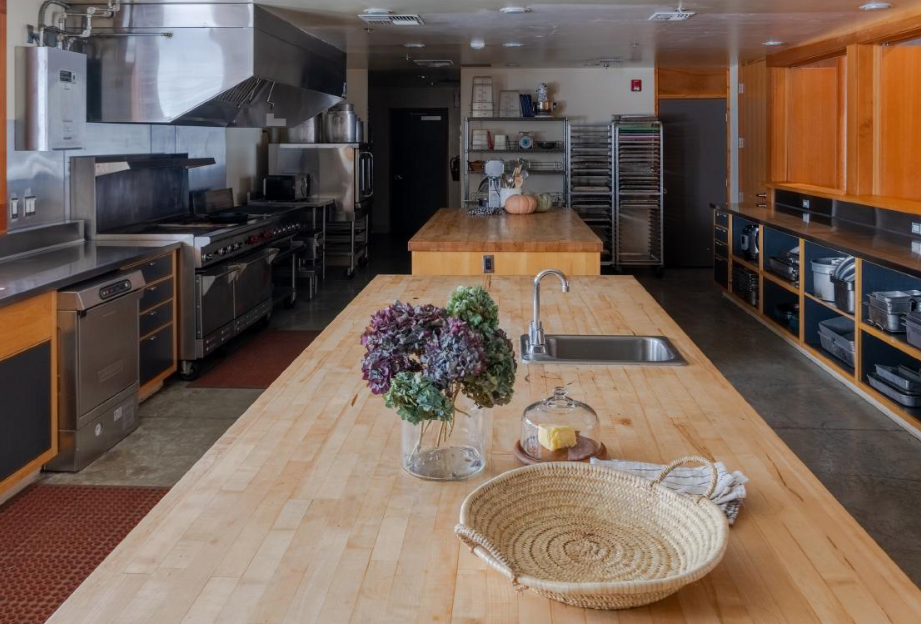
Nestled on the serene shores of Blue Lake in the Cascade Mountain Range, Caldera Arts Center offers an unforgettable backdrop of towering Ponderosa Pine and Douglas Fir forests at 3,500 feet above sea level, just 16 miles west of Sisters, Oregon. Set on 119 acres of awe-inspiring natural beauty on the traditional lands of the Tana‘nma of the Warm Springs bands and Paiute, this intentionally remote campus invites you to unplug from the everyday and step into a place where imagination blooms and community thrives. Here, creativity is woven into the landscape itself, from the quiet rustle of the forest to the clear mirror of the lake. Caldera is a place that makes you feel anything is possible.
Workshop Leaders and Guest Speakers
A series of expert speakers, school leaders, and educational leaders will join Catalyst to speak and guide workshops.
Workshop Leads
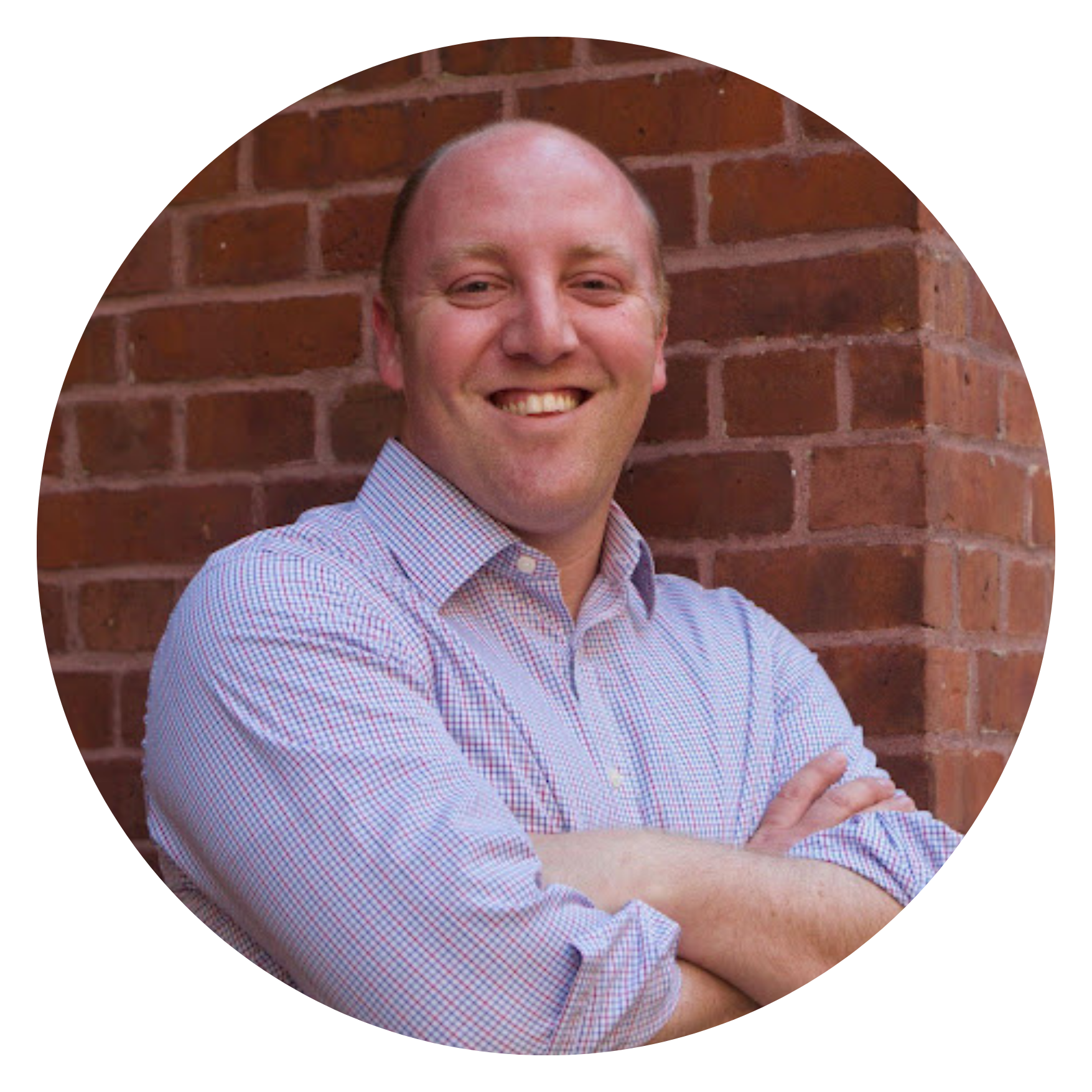 |
Building Teams That Thrive: Catalyzing Culture and Collaboration
Derek Kanarek serves as the Upper School Head at the Catlin Gabel School (Portland, OR), which he first joined in 2018 as Upper School Academic Dean as part of an initial movement toward mastery-based learning. Derek’s leadership work begins with the belief that nearly all challenges schools face are, at their core, learning challenges that require us to meet each educator where they are and coach them to learn and grow. He holds a PhD in Education Leadership from Teachers College, Columbia University, where he studied the intersection of organizational theory, school leadership, and adult development & learning under the advisement of Dr. Ellie Drago-Severson. Derek and his partner and three boys are happiest when exploring the Pacific Northwest's beaches, forests, and rivers by paddleboard or on foot.
|
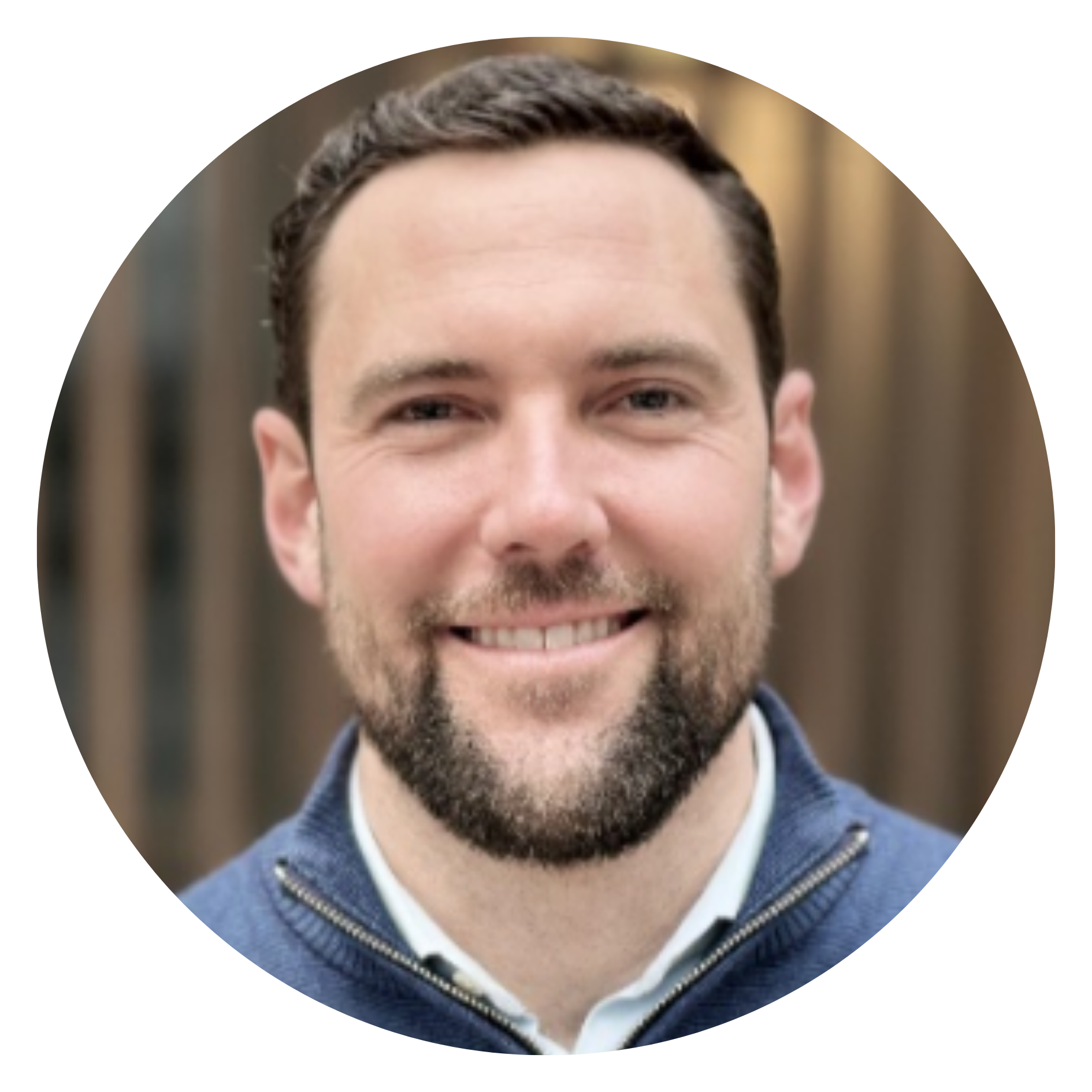 |
Leading with Strength: Unleashing Your Potential for Impact
Mason Hults is a Leadership Development Consultant at Gallup. Mason delivers Gallup’s transformational courses on change management, Engagement, CliftonStrengths, and coaching for performance in Spanish, Portuguese, and English. As a workplace consultant, he embraces Gallup’s engagement sciences and strengths-based psychology to empower and equip leaders to build thriving teams. His approach to development, culture change, and leadership is grounded, practical, and people-centered. Mason has a degree in Human Development and Psychology from the Harvard Graduate School of Education. He spent a decade living and working in Brazil, Colombia, Costa Rica, Niger, Spain, and France. Before joining Gallup, he served as Director of Pedagogy and Programming at Envoys, a leader in global experiential education. In that role, Mason helped design and scale cross-cultural learning programs, partnered with school leaders to integrate experiential pedagogy, and engaged students as co-creators in shaping transformative educational journeys. He continues to consult with independent schools, supporting leaders in aligning strategy with student-centered values. Mason is a long-time practitioner of nonviolent communication (NVC) and has expertise in mediation and conflict resolution. He works from his home office in Chicago, Illinois, and is a dedicated Vipassana meditator who enjoys reading, mountain biking, youth development, and community organizing.
|
Application & Pricing
Pricing
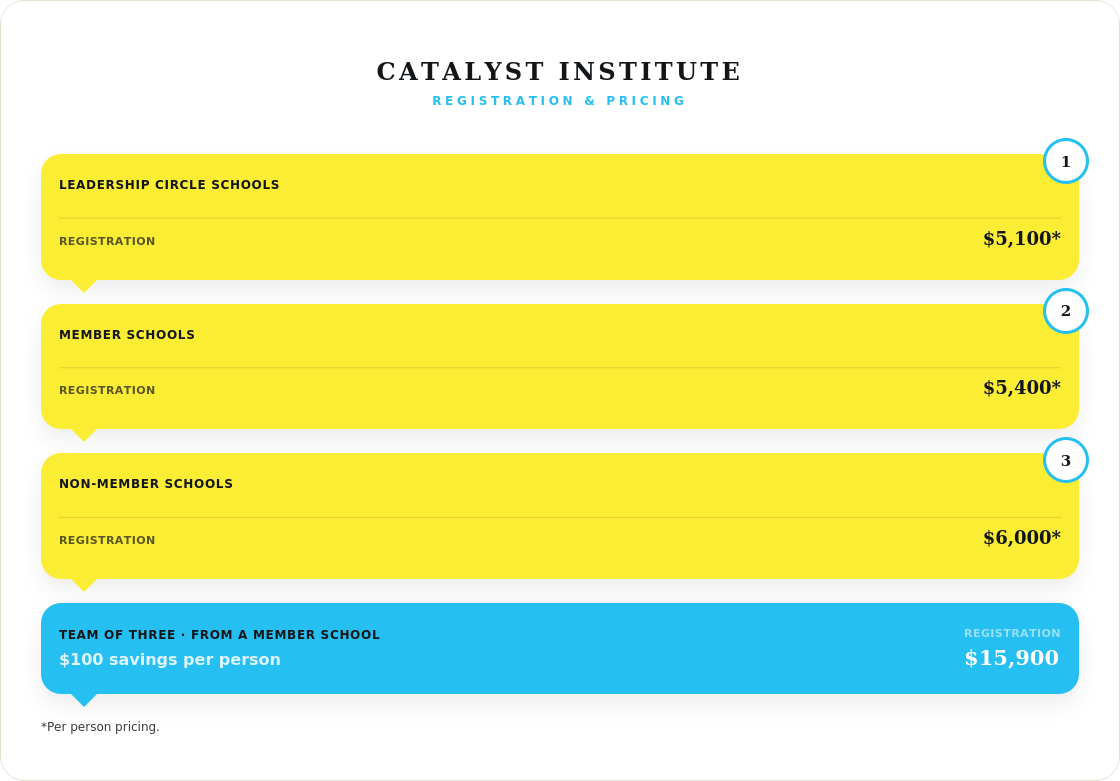
Registration fee includes four nights of lodging at Caldera Arts Center near Sisters, Oregon and all meals starting with Day 1 dinner through Day 5 breakfast. Three lodging options are available with different pricing. If participants decide not to take the complimentary shuttle provided, they are responsible for their transportation from Redmond Airport to Caldera.
Refund and Cancellation Policy
Should you need to cancel your registration you will have two options. A colleague may be substituted at no fee or, if you cancel without substituting your place, the refund policy below will go into effect:
-
Cancellation greater than 61 days prior to the Institute: 90% refund
-
Cancellation 60-30 days prior to the Institute: 50% refund
-
Cancellation under 30 days prior to the Institute: 0% refund
Please reach out to ISEEN’s Executive Director, Courtney Prieur, if registration costs are a financial burden for your institution. Limited discounts are available for small schools and international participants.
Important Application Notes
For the Catalyst Institute, ISEEN will be accepting applications from interested schools rather than offering open enrollment. We will review applications to determine alignment and readiness of a school to engage with the goals of the institute on a rolling basis. The application process is to ensure participants’ schools are committed to experiential education practices and invested in organizational innovation.
Additionally, ISEEN requests affirmation of support from a participant's head of school (if the head is not attending the institute) through completion of the Head of School Support Form below. This indicates institutional support for the work of Catalyst and ensures the institute cohorts will be comprised of leaders comparably committed and aligned to educational innovation.
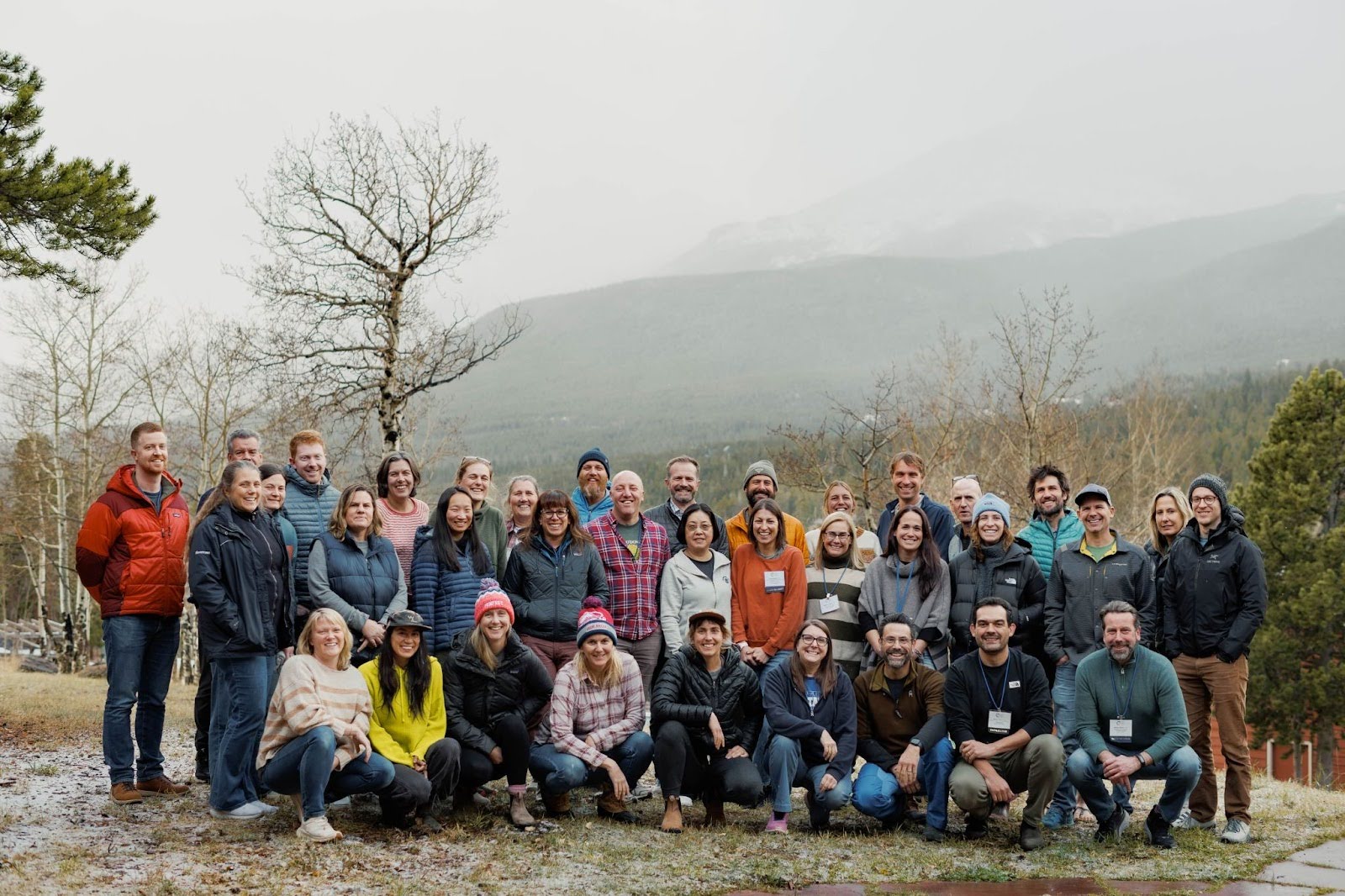
The Catalyst Institute will have around 30 participants supported by three facilitators. Applications will be processed upon receipt and applicants will be notified as soon as possible of their acceptance.
Accommodations & Travel
Catalyst is an immersive retreat, not a conference. The program is designed to unite a community of changemakers. Thus, the locale is designed to facilitate connection through an immersive five days in which leaders live and learn together, in the inspiring Cascades Mountain Range, unplugged from school life. If your application is accepted, the only thing you need to book is your transportation to Redmond Airport — your airport shuttle, lodging, and meals are covered.
Because of that, we value your participation immensely and we ask that when you make your arrangements, you’re able to participate in the full institute — beginning to end! We believe that participating in all of the institute activities enhances the quality of your experience and that of your peers. If you know that you cannot manage the full schedule, perhaps consider joining a future institute. All participants are expected to stay at Caldera and participate, to the extent that abilities allow, in the full program.
Caldera Arts Center
Lodging
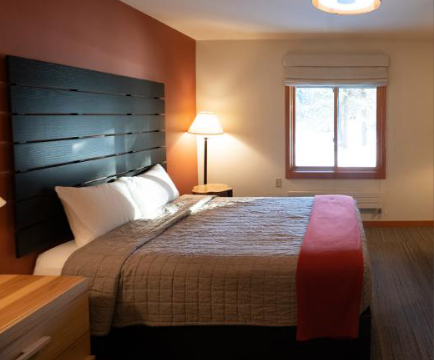
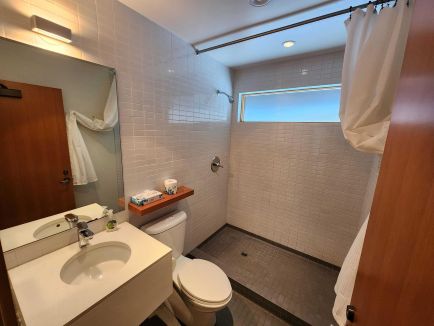
Onsite accommodations are included in the institute price with a few variations in price. In the application / registration process, attendees will rank their preferences for one of the following three options (see Caldera brochure for additional photos & descriptions):
1. Tamarack Hall: single-occupancy and a shared bathroom with two other attendees.
Cost: default accommodation, included in institute registration price
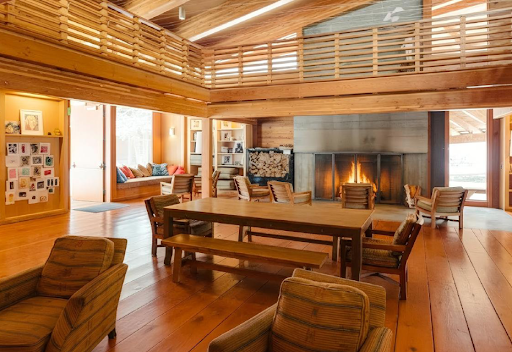
Tamarack Hall offers hotel-style rooms built for comfort, privacy, and restoration. The building includes 22 rooms, each with a queen-sized bed and desk, plus eight shared bathrooms with showers. A shared kitchenette is available for guest use as well as a large central space with a fireplace made for conversation, planning, or downtime.
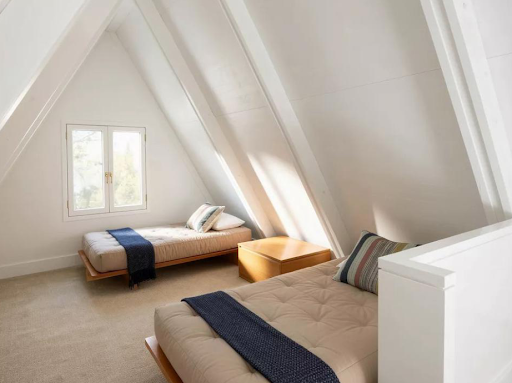
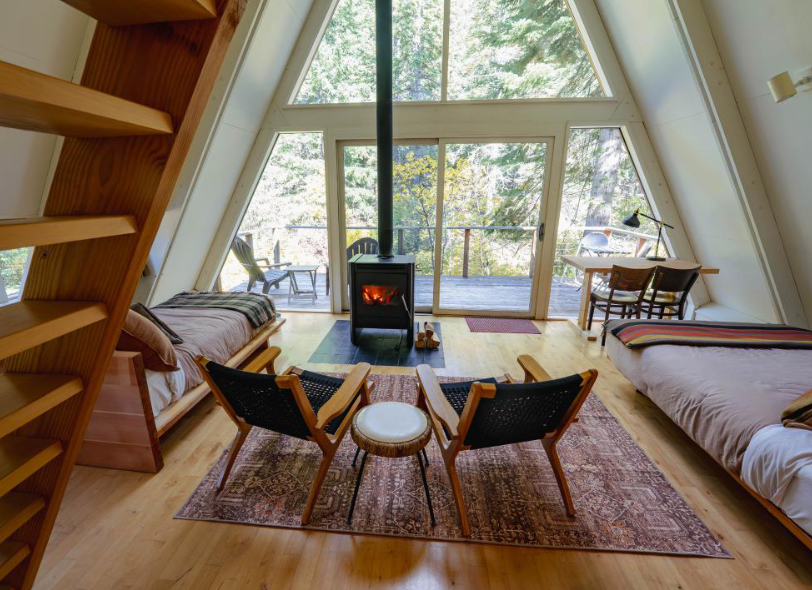
2. A-Frame Cabin: triple-occupancy and shared bathroom with two other attendees.
Cost: [Upgrade] additional $200 per person total
Each airy A-Frame cabin offers four beds total, including a sleeping loft with two full beds, a main-floor living room with one full bed and one twin bed, a kitchenette, a bathroom with shower, a wood stove, and a porch overlooking the creek.
3. Glamping Tent: single-occupancy and shared bathhouse with personal toilet and shower stalls.
Cost: [Discount] savings of $200 per person total
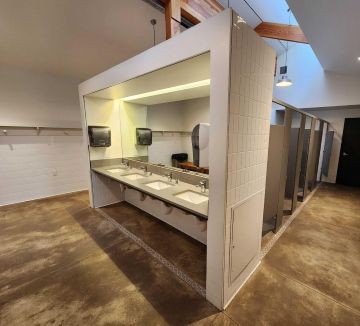
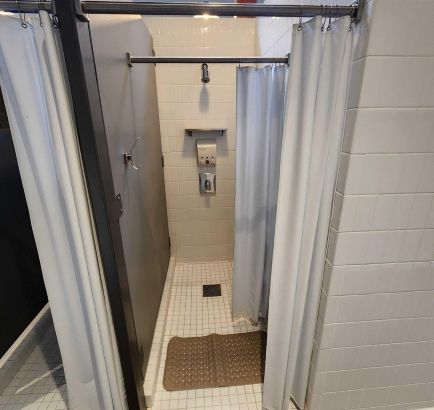
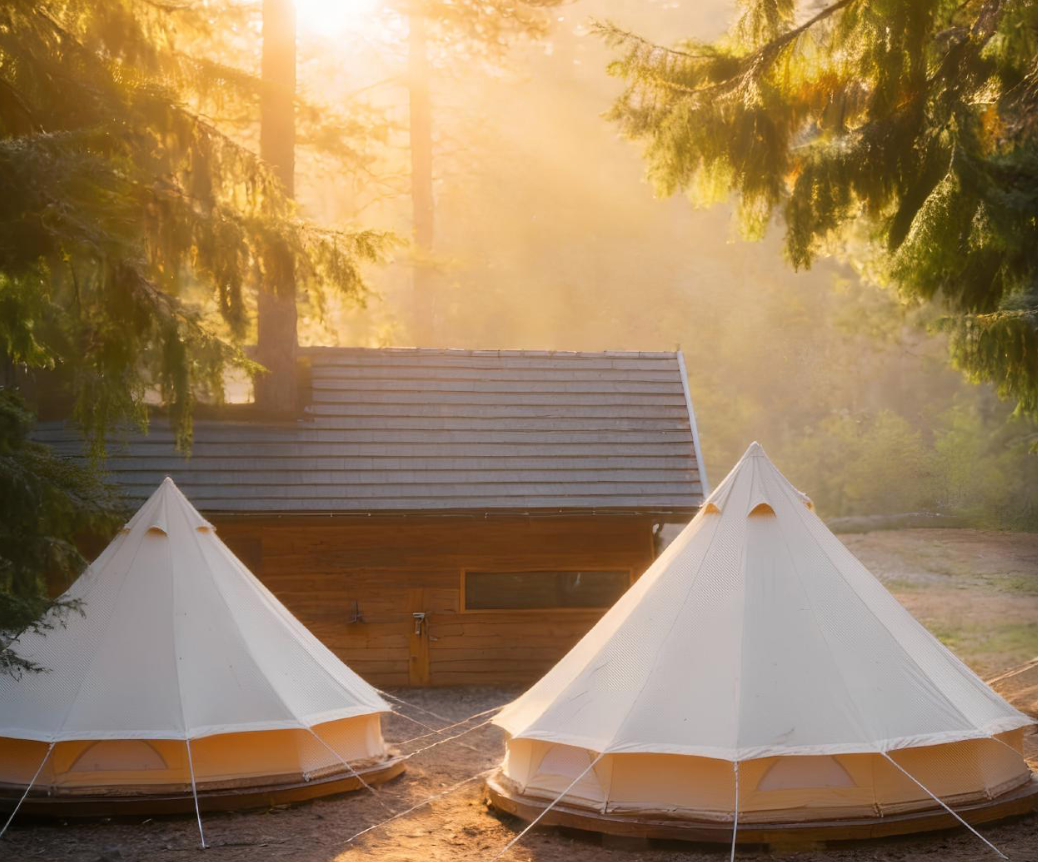
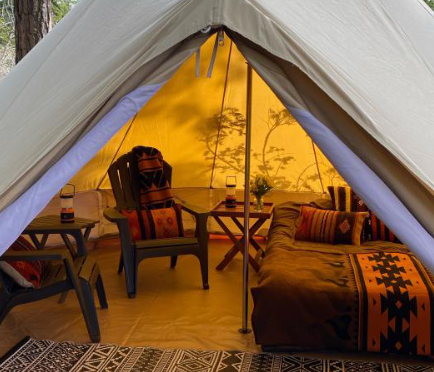
Nestled in the forest on the shores of Blue Lake, each tent is designed to provide ultimate comfort and convenience, including comfortable bedding with either a full bed or two twins, lantern lighting, and easy access to modern bathhouse facilities. Glamping tents do not have heat or electricity; while guests stay warm and cozy with the canvas tent walls and wool blankets, the weather in early October could range from a warm autumn to an early winter chill. The bathhouse features heated floors and 10 private shower stalls with lavatories; it’s a step above a typical camp facility.
Meals
All meals are included in the institute price starting with happy-hour appetizers and dinner on Friday’s arrival day and ending with easy grab & go breakfast on Tuesday’s departure day. Dietary needs will be supported to the best of our ability. Coffee and tea are also available throughout the day.
Travel
Friday, October 9: Please ensure your travel plans allow you to arrive at Caldera Arts Center by 3:00 PM to have an hour to settle in before Day 1 programming starts at 4:00 PM.
Tuesday, October 13: Departure is after breakfast on Tuesday, October 13. We ask that participants plan to depart on Tuesday morning and not miss our closing workshop and programming on Monday evening. All attendees should plan to check-out.
Getting to Caldera Arts Center:
-
Driving: You can meet us directly and park at Caldera Arts Center: 31500 Blue Lake Drive, Sisters, OR 97759
-
Flying: Redmond Regional Airport (RDM) is the closest major airport to our retreat site. It is around a one hour drive from Redmond to Caldera Arts Center on Blue Lake. Please consider the complimentary shuttle or a rideshare to reduce carbon emissions.
From Redmond Regional Airport:
-
Shuttle: included in your registration fee, you can catch the shuttle which will depart RDM at 2:00 PM. If participants miss the shuttle or decide not to take the provided shuttle, they are responsible for getting to the retreat center on their own.
-
Rideshare Apps & Rental Cars: Uber, Lyft, and several major rental car companies operate from RDM — plan ahead and share a ride with a fellow participant! (See RDM Ground Transportation.)
Frequently Asked Questions
- Who is the Catalyst Institute for?
- What will I get out of it?
- What does the 6-month coaching component entail?
- Can I just come for part of the Institute?
- Can I bring more than 3 people from my school?
- How much does it cost?
- Does it include food and lodging?
- Why do I need a letter from my Head of School?
- Who is leading it?
- I can’t come this year, will it be offered next year?
- How is the Catalyst Institute different from the Winter Institute and the Summer Teacher’s Institute?
- Do I need to book my own lodging?
Additional Questions?
Please don’t hesitate to reach out to us if you have questions about the Institute. Email us at [email protected] or call us at 206-209-5288.
Frequently Asked Questions
1. Who is the Catalyst Institute for?
Catalyst is designed for school leaders who are already well-versed in experiential education and are ready to take bold steps toward institutional evolution. Ideal participants include division heads, directors of experiential education, academic deans, inclusion and belonging leaders, assistant heads, and heads of school. While small teams of two to three people from the same school will be given priority, we welcome individual applicants, as well.
2. What will I get out of it?
Participants leave with a customized action plan tailored to their school’s needs, supported by a 6-month coaching cohort for continued learning and accountability. You’ll also gain practical leadership tools for yourself and your colleagues, inspiring examples and models of experiential education including assessment, and a deep connection to a like-minded community of school leaders.
3. What does the 6-month coaching component entail?
The coaching component includes monthly virtual cohort meetings and two one-on-one coaching sessions. These groups launch during the institute and serve as an accountability and support system to ensure your action plan is implemented with care and momentum.
4. Can I come for just part of the Institute?
No. Catalyst is intentionally designed as an immersive, full-retreat experience. All participants are expected to stay for the entire duration of the institute to ensure a cohesive, connected learning environment. If you can’t attend the full program, we encourage you to consider a future Institute.
5. Can I bring more than three people from my school?
Yes. While teams of two to three leaders are encouraged for optimal collaboration, schools may bring up to four participants if desired. Note that group pricing is available for teams of three from member schools.
6. How much does it cost?
-
Leadership Circle Schools: $5,100
-
Member Schools: $5,400
-
Non-Member Schools: $6,000
-
Team of Three from Member Schools: $15,900
-
Late registration (after September 21): Add $500 per registration
7. Does it include food and lodging?
Yes. The cost includes four nights of accommodations at Caldera Arts Center; you have three different options for accommodations. Three meals per day starting from Friday dinner through Tuesday breakfast are included.
Lodging Options: See Caldera Arts Center events brochure for additional photos.
8. Why do I need a letter from my Head of School?
If your Head of School is not attending the Institute with you, we ask for their affirmation of support to ensure your school is aligned with Catalyst’s goals and committed to implementing change upon your return.
9. Who is leading it?
Catalyst is led by a dynamic design and facilitation team of experienced educational leaders—Dr. Barret Fabris, Cris Harris, and Lauren Kelley—along with additional expert speakers and workshop leaders from across the field of experiential education.
10. I can’t come this year; will it be offered next year?
Yes! In its current form, Catalyst Institute is an annual program.
11. How is the Catalyst Institute different from the Winter Institute and the Summer Teachers' Institute?
Catalyst is a leadership-focused, retreat-style experience centered on institutional transformation. It includes a long-term coaching component, emphasizes action planning and change management, and is tailored to school administrators and decision-makers.
The Winter Institute is designed for administrators, directors, staff, and teachers who direct various strands of experiential education programming such as outdoor adventure education, global education, service-learning and community engagement, student leadership, inclusion, belonging, sustainability, and environmental justice, to share best practices and learn from each other.
The Summer Institute is for classroom teachers of Math, History/Social Studies, Science, English, Elementary Education, and Makerspace Pedagogy to bring experiential pedagogy to their curriculum and teaching practices.
12. Do I need to book my own lodging?
No. All lodging is included in the registration fee. See FAQ #7 for information about lodging options. You only need to arrange your transportation to Caldera Arts Center on Blue Lake near Sisters, Oregon if you do not take the complimentary shuttle from Redmond Regional Airport.
|